
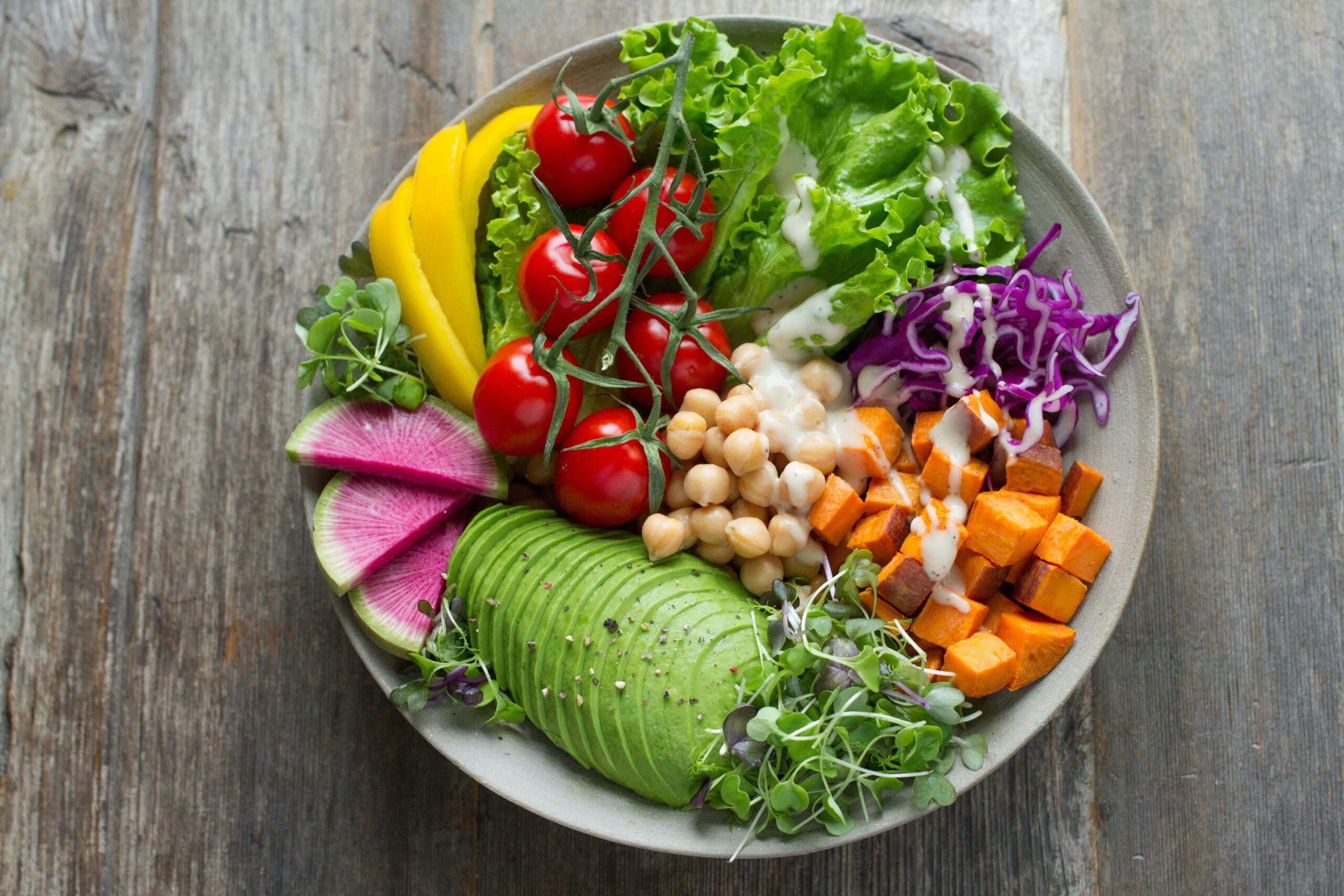
Introduction to Food as Medicine
Food is more than just fuel for our bodies; it’s a powerful tool that can promote health and healing. From the vibrant colors of fresh fruits and vegetables to the warmth of hearty grains, every bite we take has an impact on our overall well-being. In recent years, there’s been a growing recognition of food as medicine—a concept rooted in ancient wisdom but supported by modern science.
As we navigate through life’s challenges, understanding how nutrition affects our physical and mental health becomes crucial. What if you could harness the healing power of food to ward off illness or enhance your mood? This journey into nutritional secrets will unveil how simple dietary choices can transform your health from the inside out. Get ready to explore delicious ways to boost immunity, reduce inflammation, and nurture your mind—one meal at a time!
Food is more than just fuel for our bodies; it can be a powerful ally in the journey to better health. Imagine walking through your local market, where vibrant fruits and vegetables call out to you, each one packed with nutrients waiting to enhance your well-being. The idea of food as medicine isn’t new; cultures around the world have embraced this concept for centuries.
Every bite we take has the potential to nourish us or harm us. It’s time to recognize that what we eat can dramatically impact our physical and mental health. From boosting immunity to reducing inflammation, certain foods possess healing properties that go beyond taste.
So why not harness these nutritional secrets? Whether you’re looking to prevent illness or support recovery, understanding the connection between food and health opens up a world of possibilities. Let’s explore how embracing nature’s bounty can lead us toward optimal wellness, one meal at a time.
Understanding the Role of Nutrition in Health and Healing
Nutrition plays a pivotal role in our overall health. It goes beyond just filling our stomachs; it fuels every cell in the body.
The right nutrients can enhance your immune system, making you more resilient against illnesses. Vitamins and minerals work together to repair tissues and fight off infections.
Food choices also influence chronic diseases. A diet rich in antioxidants can reduce oxidative stress, potentially lowering the risk of conditions like heart disease and diabetes.
Moreover, proper nutrition aids recovery from illness or injury. Energy-rich foods help speed up healing processes while protein sources rebuild muscle tissue.
Understanding this connection empowers us to make informed choices about what we eat daily. When we prioritize nutrition, we’re not just eating for pleasure but actively investing in our well-being.
Nutrition plays a vital role in our overall health and well-being. Every bite we take influences our body’s ability to function optimally. Food provides the essential nutrients that fuel our daily activities, but it also has the power to heal.
Whole foods—fruits, vegetables, whole grains, lean proteins—offer an array of vitamins and minerals that support bodily functions. Antioxidants found in berries help combat oxidative stress. Omega-3 fatty acids from fish can reduce inflammation and improve heart health. These natural compounds work synergistically within us.
Moreover, nutrition impacts mental health as well. A balanced diet rich in leafy greens and healthy fats contributes to better mood regulation and cognitive function. Foods like nuts and seeds are not only nutritious but also promote brain health through their high levels of omega-3s and vitamin E.
It’s important to recognize that food is more than sustenance; it’s a powerful tool for healing chronic conditions too. For instance, eating anti-inflammatory foods can alleviate symptoms associated with arthritis or digestive issues. Likewise, incorporating fiber-rich foods supports gut health—a crucial aspect often overlooked.
Embracing food as medicine empowers individuals to take charge of their own wellness journey. Making informed dietary choices creates pathways toward recovery from illness while enhancing vitality during everyday life.
Understanding how nutrition affects your body opens up endless possibilities for better living naturally through what you eat every day! The relationship between food and healing is deep-rooted; when respected, it can lead to transformative results on both physical and emotional fronts.
Foods that Boost Immunity and Fight Inflammation
Certain foods have powerful properties that can enhance your immune system and reduce inflammation. Incorporating these into your daily meals can make a significant difference.
Citrus fruits like oranges, lemons, and grapefruits are rich in vitamin C. This vitamin is known to help boost white blood cell production. A strong immune response starts with adequate levels of this essential nutrient.
Turmeric is another powerhouse ingredient. Curcumin, its active compound, has anti-inflammatory benefits that may alleviate chronic inflammation in the body. Adding turmeric to dishes or sipping golden milk can be an excellent way to enjoy its health perks.
Don’t forget about leafy greens! Spinach and kale contain antioxidants and vitamins A, C, and K which support overall health. These vibrant veggies also aid digestion and provide essential nutrients for your body’s defenses.
Berries pack a punch with their antioxidants. Blueberries, strawberries, and blackberries combat oxidative stress while supporting immune function naturally.
When it comes to boosting immunity and fighting inflammation, certain foods stand out for their potent health benefits. Incorporating these into your daily meals can be a game-changer for your overall well-being.
Citrus fruits like oranges, grapefruits, and lemons are rich in vitamin C, known for its immune-boosting properties. This powerful antioxidant helps stimulate the production of white blood cells, essential in warding off infections.
Berries also pack a punch with their high levels of antioxidants. Blueberries and strawberries contain flavonoids that enhance immune function while protecting the body from oxidative stress. Adding them to breakfast or as a snack is an easy way to boost your nutrient intake.
Leafy greens such as spinach and kale are nutritional powerhouses filled with vitamins A, C, E, and K. These vitamins help combat inflammation while supporting immune responses. A simple salad or smoothie loaded with greens can provide significant health benefits.
Nuts and seeds deserve mention too—almonds, walnuts, flaxseeds, and chia seeds offer healthy fats along with crucial minerals like zinc. Zinc plays an important role in maintaining a robust immune system by helping cells communicate effectively during times of illness.
Don’t overlook garlic either! It contains allicin—a compound known for its antimicrobial effects—which may help reduce the severity of colds or flu when consumed regularly.
Consider incorporating turmeric into your meals; its active ingredient curcumin has strong anti-inflammatory properties that can aid recovery from various ailments.
Incorporating these foods into your diet isn’t just about enjoying delicious flavors; it’s a proactive approach towards nurturing better health over time through nutrition-rich choices that empower both body and mind.
The Gut-Brain Connection: How Food Impacts Mental Health
The gut-brain connection is a fascinating relationship that sheds light on how our diet influences mental health. The gut houses trillions of bacteria, collectively known as the microbiome, which play a critical role in mood regulation and cognitive function.
What you eat can significantly affect these microorganisms. A diet rich in fiber, fermented foods, and healthy fats supports beneficial bacteria. Conversely, processed foods loaded with sugar can upset this delicate balance.
Research shows that certain nutrients like omega-3 fatty acids have antidepressant effects. Likewise, probiotics may alleviate anxiety disorders by promoting gut health.
Listening to your body’s cravings is key too—sometimes they reveal what your mind needs. Nourishing both your gut and brain leads to improved emotional wellness and sharper thinking skills. It’s an empowering realization; food truly has the potential to heal from within.
The connection between the gut and the brain is a fascinating area of study. Emerging research reveals how our dietary choices can significantly impact mental health. The gut houses trillions of microorganisms that influence not only digestion but also mood, behavior, and cognitive function.
When we consume whole foods rich in nutrients, we foster a diverse microbiome. This diversity supports the production of neurotransmitters like serotonin, often dubbed the “feel-good” hormone. Foods such as fermented products—yogurt, kefir, sauerkraut—and fiber-rich options like fruits and vegetables promote this healthy microbial balance.
On the flip side, diets high in sugar and processed foods can lead to inflammation in both the body and brain. Such inflammation has been linked to increased anxiety and depression symptoms. It’s clear that what we eat doesn’t just fuel our bodies; it shapes our minds too.
Mindful eating practices encourage us to focus on nourishing meals while being aware of how they make us feel physically and emotionally. Paying attention to our body’s signals can help create a positive feedback loop towards healthier food choices.
By understanding this intricate relationship between gut health and mental well-being, we empower ourselves with knowledge about how nutrition plays a vital role in maintaining emotional balance and overall quality of life. Exploring these connections opens doors for better health through simple yet profound dietary changes.
Incorporating Superfoods into your Diet
Superfoods are nutrient-rich foods that can elevate your diet and overall wellness. Incorporating them into your meals doesn’t have to be overwhelming.
Start with berries, which are packed with antioxidants. Toss them into your morning oatmeal or enjoy them as a snack. They add flavor and health benefits.
Next, consider leafy greens like kale and spinach. These powerhouses are loaded with vitamins A, C, and K. Sauté them lightly or blend them into smoothies for an easy boost.
Don’t forget about seeds such as chia or flaxseed. Just a sprinkle on yogurt or salads can provide omega-3 fatty acids essential for heart health.
Quinoa is another versatile option; it’s gluten-free and rich in protein. Use it as a base for bowls or salads to enhance texture while nourishing the body.
Experimentation is key—mix different superfoods to discover delicious combinations tailored to your taste!
Superfoods are nutrient-packed foods that can elevate your diet and enhance your health. Incorporating them into your meals doesn’t have to be complicated. Start by adding a few key superfoods to your grocery list.
Blueberries, for example, are rich in antioxidants that protect cells from damage. They’re easy to toss into smoothies or enjoy as a snack. Another excellent option is kale, loaded with vitamins A, C, and K. Add it to salads or blend it into soups for an extra nutritional boost.
Quinoa is also worth considering; it’s a complete protein packed with fiber and essential amino acids. Use it as a base for bowls or side dishes instead of rice or pasta.
Don’t forget about nuts and seeds like chia seeds and almonds which provide healthy fats and proteins while keeping you full longer.
Experimenting with these superfoods can lead you on a journey toward better health. Make small adjustments over time rather than trying to overhaul everything at once. Your body will thank you as you discover delicious ways to nourish yourself through the power of food!
Conclusion: Transforming Your Health Through Nutrition
Transforming your health through nutrition is not just a trend; it’s a journey. Every meal presents an opportunity to nourish your body and mind. By understanding the healing power of food, you can make informed choices that support overall well-being.
Incorporating nutrient-dense foods into your diet can lead to remarkable changes in how you feel physically and emotionally. Embrace the vibrant colors of fruits and vegetables, explore whole grains, experiment with healthy fats, and savor lean proteins. Each bite can be part of a larger strategy for boosting immunity, reducing inflammation, and enhancing mental clarity.
Remember that this transformation doesn’t happen overnight. It’s about making small adjustments over time that add up to significant health benefits. Listen to your body as it responds positively to wholesome foods.
As you embark on this nutritious path, don’t forget the power of community and support from others who are also prioritizing their health through food choices. Share recipes, discover new ingredients together, or simply discuss how certain meals made you feel.
Your relationship with food should be enjoyable and empowering rather than restrictive or stressful. So dive into the world of flavors while focusing on what nourishes both body and soul. The journey toward better health starts on your plate—make it count!