
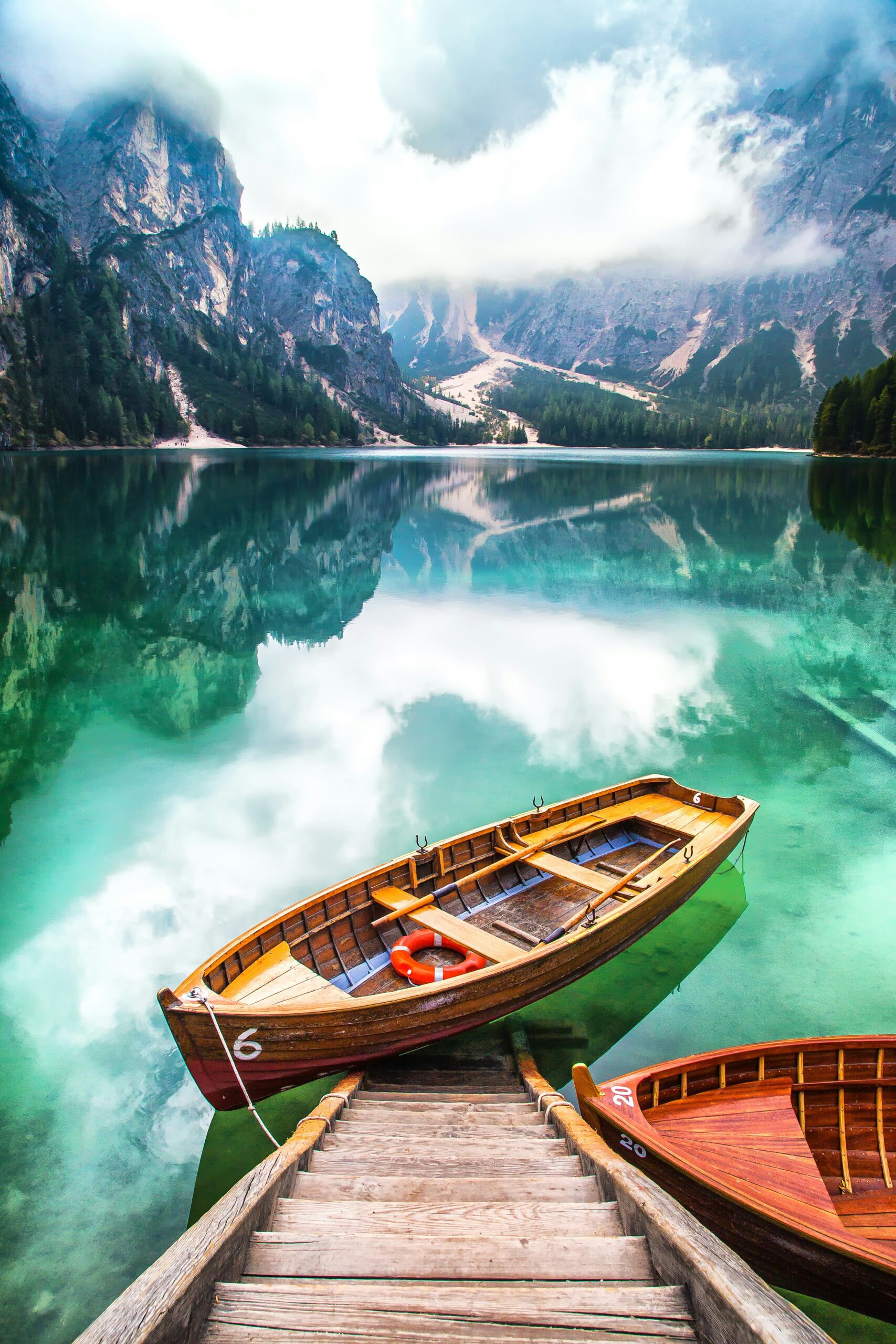
Introduction: The beauty and inspiration of nature’s colors
Nature is a vibrant tapestry woven with colors that inspire and invigorate. From the golden hues of a sunset to the deep greens of ancient forests, each shade tells its own story. These colors not only paint our surroundings but also ignite our imagination, sparking creativity in every writer’s heart. When we step outside and take a moment to observe, we can transform these breathtaking visuals into words that resonate deeply with readers.
The world around us brims with life. Each season brings its own palette—spring bursting forth in pastels, summer drenched in bold tones, autumn ablaze with fiery shades, and winter cloaked in cool whites and grays. Capturing this spectrum through writing invites others to experience nature’s beauty firsthand. Let’s explore how you can harness these vivid colors to breathe life into your prose or poetry while creating an unforgettable connection between your words and the natural world.
Using vivid descriptions to bring nature to life in writing
Vivid descriptions are the heartbeat of engaging writing. They transport readers into the heart of nature, allowing them to feel the gentle caress of a summer breeze or hear leaves rustling in the wind.
Instead of stating that flowers are colorful, delve deeper. Describe their petals as “satin-soft canvases splashed with vibrant hues.” This invites your audience to visualize and connect.
Create scenes by focusing on specific details. A sunrise isn’t just bright; it’s an explosion of gold and pink spilling over mountains like melted butter. Such imagery sparks imagination and emotion.
Use comparisons that resonate. The sound of rain can be likened to tiny drummers tapping a delicate rhythm against rooftops, creating harmony in chaos.
By harnessing vivid language, you breathe life into landscapes, making every narrative pulse with energy and vibrancy. Let your words evoke memories or inspire dreams within those who read them.
Incorporating sensory details for a multi-dimensional experience
To truly immerse your readers in nature, sensory details are key. They create an experience that goes beyond mere visuals.
Imagine the crisp scent of pine wafting through a forest. Pair that with the sound of leaves whispering in a gentle breeze. These elements transport readers to that very moment.
Consider textures as well. Describe the rough bark of an ancient oak or the softness of moss underfoot. This invites touch and makes the scene tangible.
Don’t forget taste either—a hint of wild blueberries on your tongue or the refreshing coolness of mountain spring water can evoke strong memories and feelings.
By weaving these sensory threads together, you’ll paint a vivid tapestry rich in color and life. Each detail adds depth, engaging multiple senses at once for a powerful connection to nature’s beauty.
Symbolism and metaphorical use of colors in nature
Colors in nature carry deep symbolism, often reflecting human emotions and experiences. The vibrant red of autumn leaves can evoke feelings of passion or even anger. It’s a reminder that change is both beautiful and tumultuous.
Green, the color of renewal, symbolizes growth and hope. In springtime, it bursts forth with life, inviting us to embrace new beginnings.
Blue skies bring tranquility; they soothe our minds like a gentle breeze. Water’s various shades—from calm cerulean to stormy navy—mirror our own fluctuating moods.
The ethereal quality of purple flowers speaks to spirituality and mystery. They remind us that there are depths yet unexplored in ourselves.
Nature’s colors tell stories beyond their surface beauty. Each hue invites reflection on what lies beneath—encouraging writers to use them as powerful tools for connection and meaning in their narratives.
Tips for avoiding cliches and creating unique descriptions
Clichés can dull the vibrancy of your writing. They often slip in unnoticed, making descriptions feel tired and predictable. To break free, focus on specificity. Instead of saying “sunset,” describe how the sky transforms into a canvas splashed with molten gold and deep crimson.
Experiment with fresh comparisons. Rather than likening leaves to emeralds, think about their texture and weight—perhaps they flutter like memories caught in a gentle breeze.
Engage all senses to create vivid imagery. What sounds accompany a rushing river? How does damp earth smell after rain? By layering sensory details, you breathe life into your prose.
Don’t shy away from personal experiences either; they add authenticity. Draw from that time you wandered through an autumn forest or felt the warmth of sun-drenched sand beneath your feet.
Challenge yourself to observe closely. Nature is filled with nuances waiting for discovery, just waiting for your words to illuminate them.
Conclusion: Embracing the vibrant world around us through writing
Embracing the vibrant world around us enriches our writing and connects readers to the beauty that surrounds them. Nature is an endless source of inspiration, filled with colors that evoke emotions and stir memories. By capturing these hues in your words, you create a vivid tapestry for your audience.
Consider how the warm golden glow of sunset can symbolize hope or renewal. Think about how a stormy sky might reflect turmoil or change. These connections deepen the reader’s experience and make your writing resonate on multiple levels.
As you observe nature, let its colors inspire fresh descriptions and unique perspectives. Move beyond clichés; allow yourself to see things from different angles. Your voice can bring new life to familiar landscapes.
By weaving together descriptive language, sensory details, and symbolic meanings, you invite readers into a world bursting with color. Each word has the potential to paint their imagination as vividly as any canvas could.
So step outside and immerse yourself in nature’s palette. Let each shade spark creativity within you—transforming not just what you write but also how others feel when they read it. Embrace this vibrant world wholeheartedly through your writing journey!